
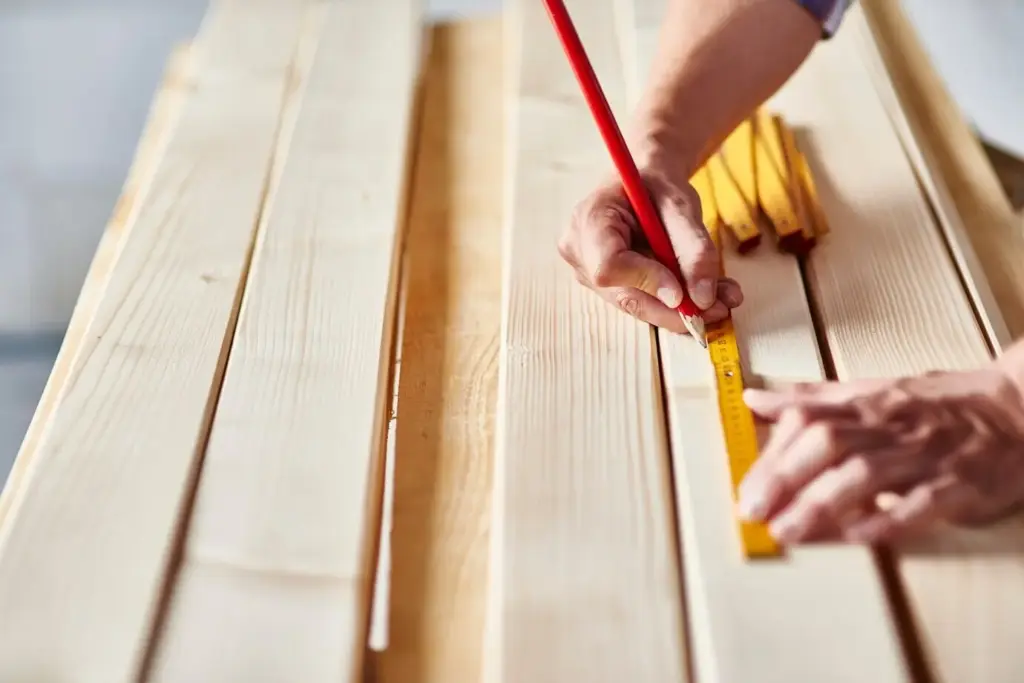

Phase Planning and Critical Path
Break work into mobilizations: demo, rough-in, close-up, finishes, commissioning. Identify the chain where delay equals delay for everything else, and protect it fiercely. Publish dependencies so everyone knows who goes first, who follows, and what must be ready to keep the baton moving.

Permit and Inspection Scheduling
Call your building department early and learn typical turnaround times. Book inspections days in advance and sequence work to present clear, compliant checkpoints. A respectful, organized approach often earns faster rechecks and fewer surprises, keeping walls open only as long as necessary and budgets safely on track.
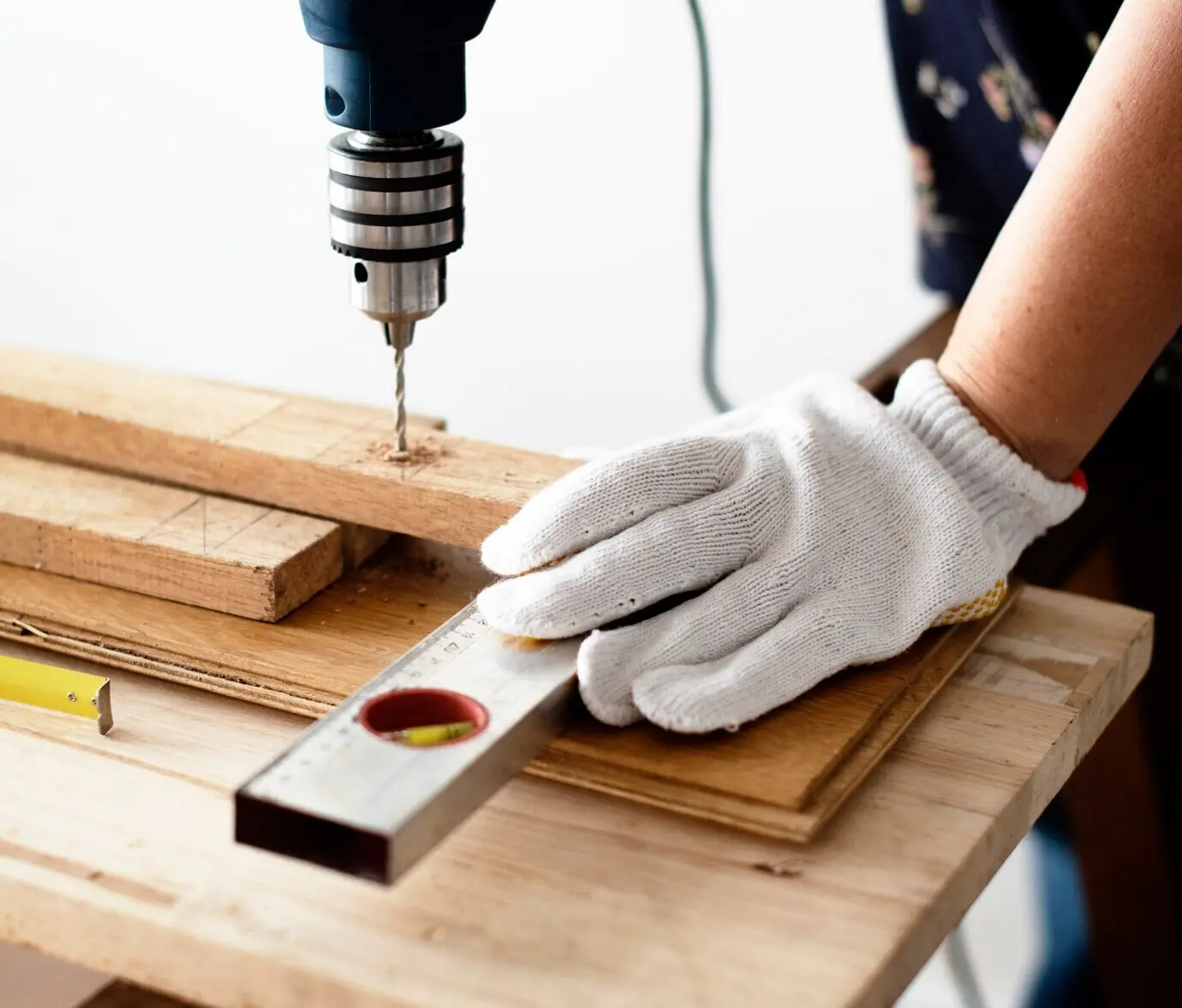
Buffering for Lead Times and Drying Cures
Pad schedules where physics demands it: concrete, leveling compounds, paint, and adhesives need curing to perform. Also guard time for long-lead fixtures and custom millwork. These buffers aren't waste; they preserve warranty validity, finish quality, and everyone's sanity when one shipment slips a few days.